Florida Building Code for Remodels: What Hurricane Rules Apply to Your Project
What the Florida Building Code requires when you remodel: the 25/50 percent rule, impact-window triggers, wind-load and FEMA flood-zone rules.
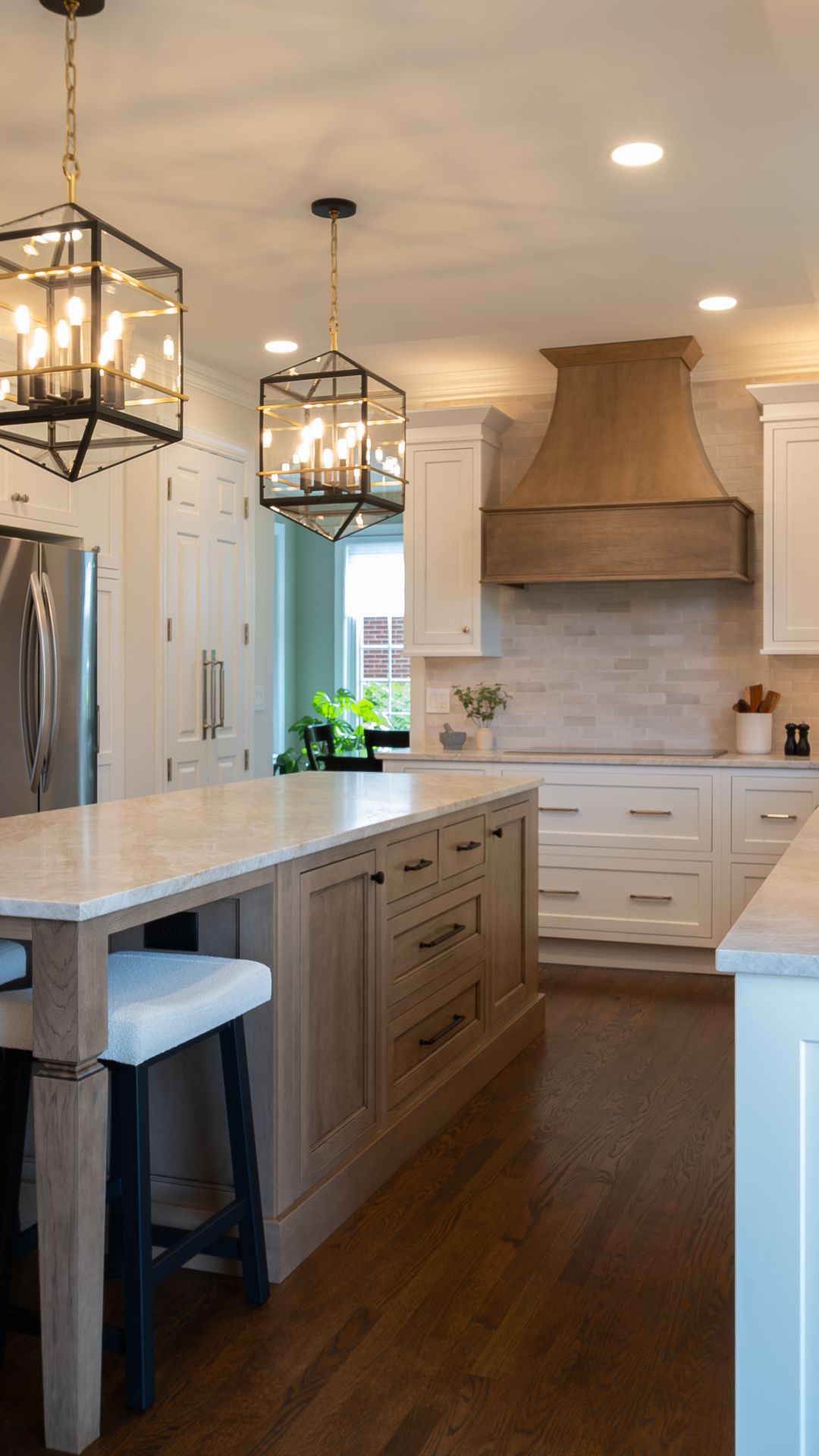
The Florida Building Code (FBC) is the strictest residential building code in the United States, and remodels in Southwest Florida hit code compliance triggers that homeowners in other states never deal with. Understanding which rules apply to your specific project is the difference between a $50,000 bathroom and a $50,000 bathroom plus a $30,000 wind-load surprise. Here's the framework.
The 25/50 percent rule (substantial improvement)#
The single most important rule in the Florida Building Code for remodels is the substantial improvement threshold. It governs whether your remodel triggers full code compliance for the entire structure or just the work being done.
The rule. If the cost of your remodel exceeds 50 percent of the structure's market value (excluding land), the entire structure must be brought up to current FBC. This includes elevation if you're in a flood zone, full wind-load compliance, energy-efficiency requirements, and accessibility for some occupancy types. The 25 percent threshold triggers narrower requirements depending on the scope of work.
How it gets applied. The building department uses the property appraiser's structure value (not the land), divided by the declared project cost on the permit application. Cumulative work over a 12-month or 5-year window (depending on jurisdiction and FEMA designation) gets aggregated, so you can't split a $200,000 remodel into four $50,000 phases to evade the rule.
Why it matters in SWFL. Coastal Lee and Collier homes in flood zones AE and VE often have older structures (1970s through 1990s) with low market values relative to current building costs. A $150,000 remodel on a home with a $250,000 structure value crosses 50 percent and triggers substantial improvement, which can require elevating the structure to current base flood elevation (BFE), adding $80K to $200K to the project depending on home size. Hidden surprise if the contractor doesn't flag it up front.
How to avoid it. Stay under the 50 percent threshold by phasing work over long enough windows that cumulative tracking resets, by limiting scope to interior cosmetic work that doesn't reset the clock, or by accepting the substantial improvement compliance and budgeting for elevation. The right contractor runs this calculation before quoting.
When impact windows become mandatory#
Florida's Wind-Borne Debris Region (WBDR) covers most of Southwest Florida. Within the WBDR, any new window or door opening, and any change to an existing opening that resizes it, must use either impact-rated glazing or approved hurricane shutters.
What triggers it. Adding a new window to a wall, enlarging an existing opening, replacing a sliding glass door with French doors (different opening configuration), or adding a skylight all require impact-rated installations or shutters. Like-for-like glass replacement in the same opening generally does not trigger this requirement (though most homeowners upgrade to impact at this point anyway because of insurance benefits).
The cost difference. Impact-rated windows run $800 to $2,500 per window installed for typical residential sizes. Standard non-impact windows run $400 to $1,200. The premium is worth it for the insurance discount alone (typically 10 to 35 percent off windstorm premiums) plus the hurricane peace-of-mind. Hurricane shutters are cheaper up front ($300 to $1,000 per opening) but require deployment before each storm.
Insurance implications. Many SWFL insurance carriers have reduced or eliminated coverage on homes without opening protection. If you're remodeling and not upgrading to impact, you're often staying in a smaller insurance pool with worse rates. The FBC requirement and the insurance economics push the same direction.
Wind-load and roof uplift requirements#
The FBC mandates specific wind-load resistance for roof structures, exterior walls, and openings. SWFL is in the higher wind zones (130 mph design speed for most of Lee and Collier; 150+ mph for barrier islands and coastal zones).
What this means for remodels. If you're touching the roof structure, exterior walls, or openings, the connections and fasteners must meet current FBC wind-load specs. This includes:
- Roof-to-wall connections (hurricane straps and clips, not just toenails)
- Wall-to-foundation connections
- Properly nailed roof sheathing (closer fastener spacing than older homes)
- Anchored exterior wall sheathing
- Properly anchored windows and doors
Older homes get expensive surprises. Most SWFL homes built before 2002 were constructed under earlier code with lighter fastening. A roof replacement (very common after Ian) requires bringing the roof-to-wall connections up to current code, which can mean opening soffits or interior ceilings to install hurricane straps. Budget $3,000 to $15,000 in additional work depending on home size.
The Insurance reward. Wind mitigation improvements documented through a Wind Mitigation Inspection (4-point inspection style) directly reduce windstorm insurance premiums, typically by 20 to 50 percent for the most-improved categories. The discount often pays for the upgrade within 5 to 7 years.
Electrical service updates triggered by remodels#
Modern remodels add electrical load that older panels can't carry. The FBC and the National Electrical Code (NEC, adopted by reference) require service capacity to support the calculated load of the home.
Common load drivers in 2026 remodels.
- Induction cooktops draw 7,000 to 10,000 watts when running
- Dual ovens, especially convection or steam, draw 5,000 to 8,000 watts each
- EV chargers (Level 2) draw 7,200 to 11,500 watts continuous
- Heated bathroom floors draw 800 to 2,000 watts per bathroom
- Whole-home heat pumps and dual HVAC systems draw 4,000 to 12,000 watts
- Outdoor kitchens with induction or electric griddle add 5,000 to 10,000 watts
When the upgrade triggers. If the calculated load on your existing 100 amp or 150 amp service exceeds capacity after the remodel, the building department will require a service upgrade to 200 amp (sometimes 320 amp for large homes). This isn't optional. The inspector verifies it during rough-in.
What it costs. A panel-only upgrade (replacing the breaker box but keeping the existing service entrance) runs $1,500 to $4,000. A full service upgrade including new service mast, meter base, and grounding runs $3,000 to $8,000. The utility (LCEC for most of Lee County; Duke Energy in some areas; FPL in parts of Collier) often requires their own scheduling for the meter swap, adding 2 to 6 weeks.
FEMA flood-zone implications#
If your home is in a Special Flood Hazard Area (SFHA), typically Zone AE, Zone VE, or Zone A, federal NFIP regulations layer on top of the FBC.
The base flood elevation (BFE). Every property in an SFHA has a BFE: the elevation that floodwater is expected to reach in a 100-year flood. The lowest occupied floor of the home must be at or above BFE. New construction in SFHAs is built well above BFE because below-BFE space is uninsurable.
What this triggers in remodels. If you're doing substantial improvement (the 50 percent rule above), the entire home must be brought into compliance, which can mean elevating the structure to current BFE. In a Zone VE coastal high-hazard area, this can mean elevating 8 to 14 feet on pilings, a project unto itself.
Mechanical equipment placement. All electrical equipment, HVAC, water heaters, and any other mechanical equipment must be at or above BFE. Air conditioning condensers commonly sit on platforms designed to keep them above the flood line. Equipment placed below BFE during a remodel will fail the flood inspection.
How to verify your zone. Look up your address on the Lee County Property Appraiser website or FEMA's flood map service. Zone X (no shading) is outside the SFHA; Shaded X is preferred risk; AE / A / VE are all SFHAs with progressively stricter rules.
Inspections you can't skip#
For a typical SWFL remodel, expect these inspections, in this order:
- Rough-in plumbing. Drains, vents, and supply lines inside the walls before drywall closes.
- Rough-in electrical. Wiring inside the walls before drywall closes.
- Mechanical / HVAC rough-in. Ductwork and refrigerant lines before they're enclosed (when applicable).
- Framing inspection. When the project includes structural work or wall reframing.
- Insulation inspection. Before drywall closes on exterior walls (where insulation is added or modified).
- Drywall inspection (some jurisdictions). After drywall is hung but before tape and finish.
- Roofing tin-tag inspection. When roofing is replaced or repaired; verifies underlayment installation.
- Final electrical, final plumbing, final building. After all finish work is complete.
- Wind-mitigation inspection. Optional, but documents wind-resistance features for insurance discount.
Each inspection is scheduled through the county or city eConnect portal (Lee County's portal is separate from Cape Coral's). Failed inspections require correction and re-inspection (~$100 fee). The permit cannot be closed until all inspections pass.
Why this matters. A closed permit is the document you produce at resale to prove the work was done to code. Open permits surface during title searches and can delay or kill closings. Florida HOAs and condo associations also require closed permits for any work in their records. Insurance claims involving the work area routinely require permit history.
The bottom line#
The Florida Building Code isn't an obstacle to remodeling. It's the floor that makes Florida homes survive Cat 4 hurricanes. But it does add complexity that contractors who work outside Florida often miss. When you're choosing a remodeling contractor, the right question isn't "do you know the code?" The right question is "tell me which specific code triggers apply to my scope and what they'll cost." A contractor who can rattle that off without checking is the one to hire.
If you're planning a remodel anywhere in Southwest Florida and want to understand which code requirements apply to your specific project before you commit to scope, we'll do a free walkthrough and show you exactly where the lines are.
Frequently asked questions
What is the Florida Building Code substantial improvement rule?
The 'substantial improvement' rule, codified in the Florida Building Code and FEMA NFIP regulations, says that if the cost of your remodel exceeds 50 percent of the structure's market value (excluding land), the entire structure must be brought up to current code, including base flood elevation, wind-load, and energy efficiency. The 25 percent threshold triggers other partial-update requirements depending on the work scope. This applies cumulatively over a multi-year window in Special Flood Hazard Areas (SFHAs).
Do I need impact windows when I remodel my Florida home?
Not always. The trigger is whether your remodel changes a window opening (resizing, adding, or moving), not just replacing glass. If you're swapping a window in the same opening, you're not required to upgrade to impact-rated unless the home is in a designated Wind-Borne Debris Region and you're hitting substantial improvement thresholds. New openings always require impact glass or approved hurricane shutters. Insurance discounts make impact-rated windows worthwhile even when not legally required.
What's the difference between a flood zone X home and a flood zone AE home for remodels?
Zone X (or Shaded X) is outside the Special Flood Hazard Area; standard remodel rules apply. Zone AE is inside the SFHA, which means FEMA's NFIP rules apply: base flood elevation must be respected, substantial improvements trigger full elevation requirements (which can mean lifting the whole structure), and any electrical, mechanical, or HVAC equipment must be at or above the BFE. Most coastal Lee County and Collier County homes are in AE; verify your specific address through the Lee County Property Appraiser or FEMA's flood map service.
Will my electrical service have to be upgraded?
Often yes. Modern remodels add load: induction cooktops, dual ovens, EV chargers in attached garages, expanded HVAC, heated floors, smart home systems. If your existing service is 100 amps or 150 amps and your remodel pushes calculated load past it, the FBC requires service upgrade to support the new load. Budget $1,500 to $4,000 for a panel upgrade and $3,000 to $8,000 for a full service upgrade including new service mast and meter base. Sometimes the utility (LCEC, Duke Energy) requires their own scheduling, which adds 2 to 6 weeks.
Can I skip code compliance if my contractor agrees?
No. The Florida Building Code is a state law enforced through county and municipal building departments. A contractor who agrees to skip code is committing a license violation and exposing you to insurance denial, resale disclosure problems, and code enforcement action. There's no legitimate path that bypasses code compliance. The right move is to find a contractor who understands which code requirements actually apply to your specific scope and prices them honestly.
What inspections can I genuinely not skip?
On a typical remodel: rough-in plumbing, rough-in electrical, framing (if any structural work), insulation (if adding to or modifying exterior walls), final electrical, final building. Showers add a waterproofing inspection in some jurisdictions. New roofing requires a tin-tag inspection before underlayment goes down. The inspection schedule is set by the permit and enforced by the building department. Skipping any of them prevents permit closure, which prevents resale and triggers insurance issues.